

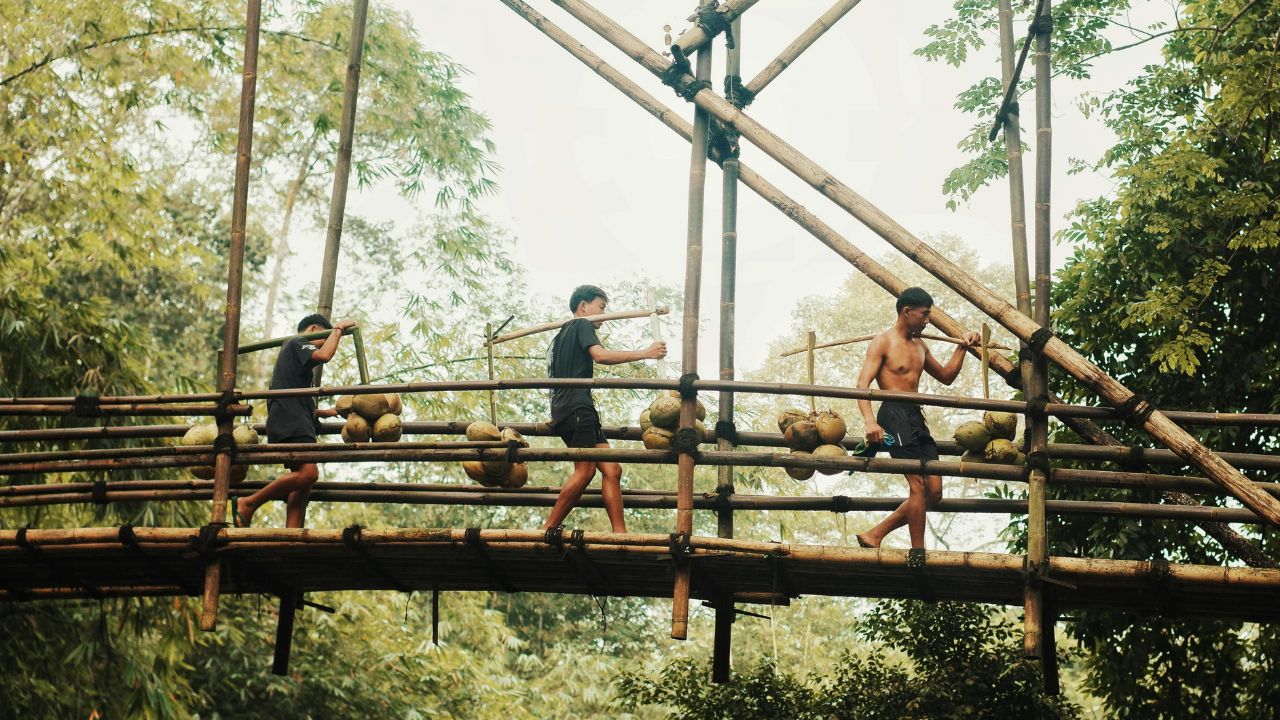

Cultural Trip Baduy, Rangkasbitung – Have you ever heard of, or wanted to experience, a culture that still holds tightly to its traditions and lives a way of life completely different from mainstream society? Here you’ll get to know the Baduy tribe, a community that continues to draw visitors from the outside world who come to observe and learn about their unique way of life.
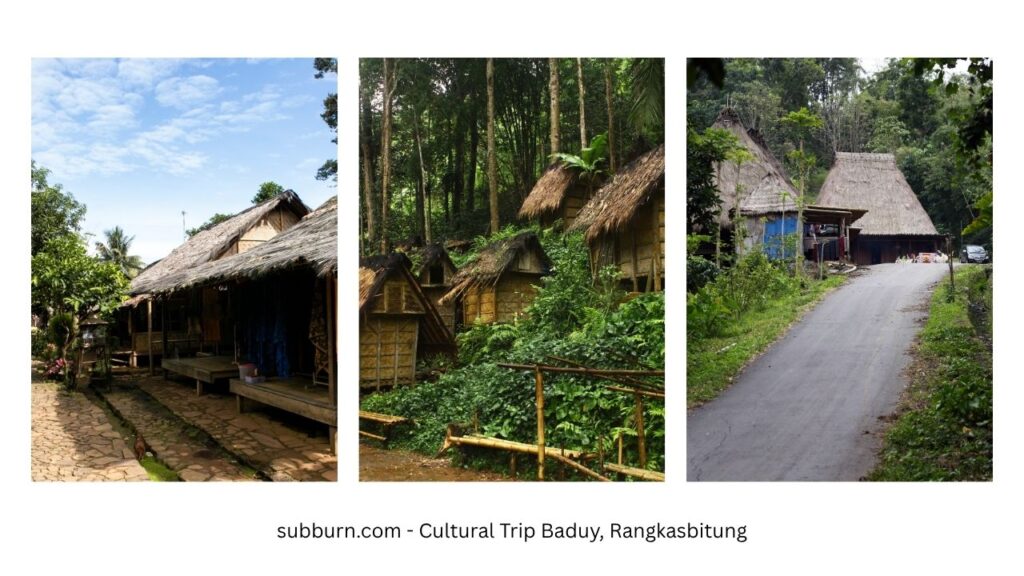
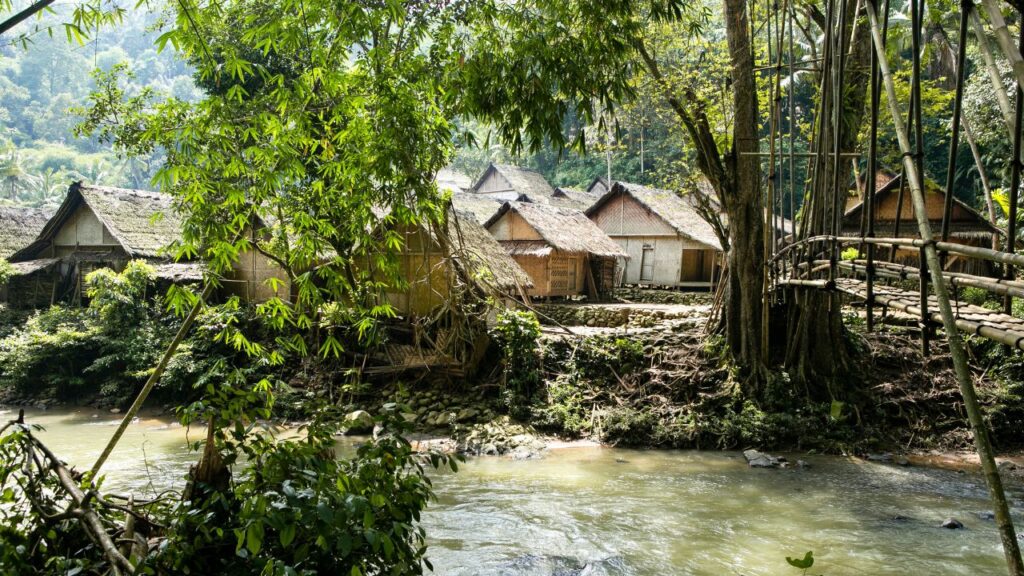
The Baduy people fascinate outsiders because of their remarkably ancient way of living, no electricity, no electronic devices, not even soap. On this Baduy trip, you can witness firsthand how they build houses from bamboo, work their fields, and how both men and women dress according to tradition.
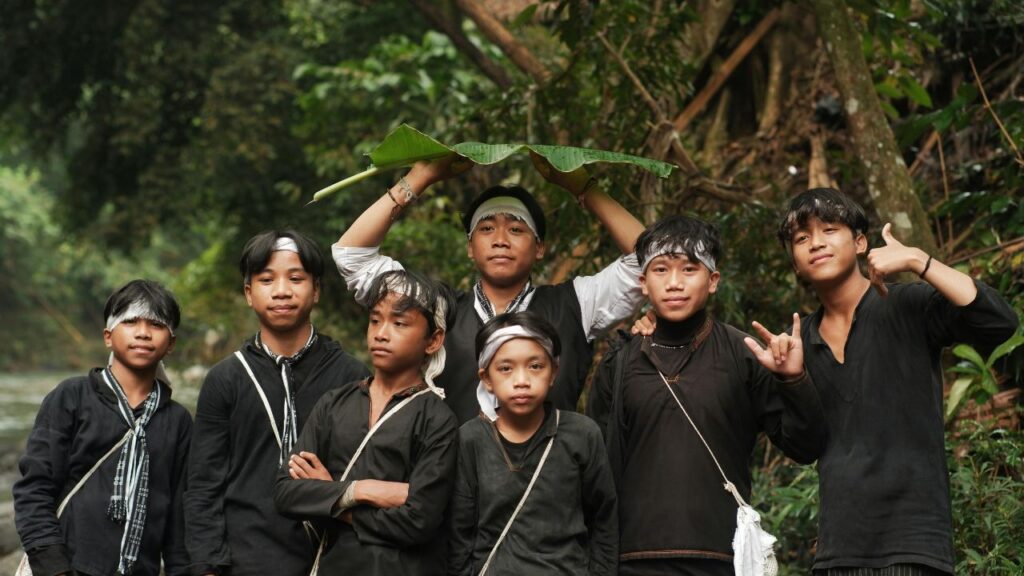
Itenerary Visit Baduy Village
A quick note: This trip requires decent fitness, as you’ll walk for 3–4 hours over rocky terrain and stay overnight with a local family in Cibeo Village.
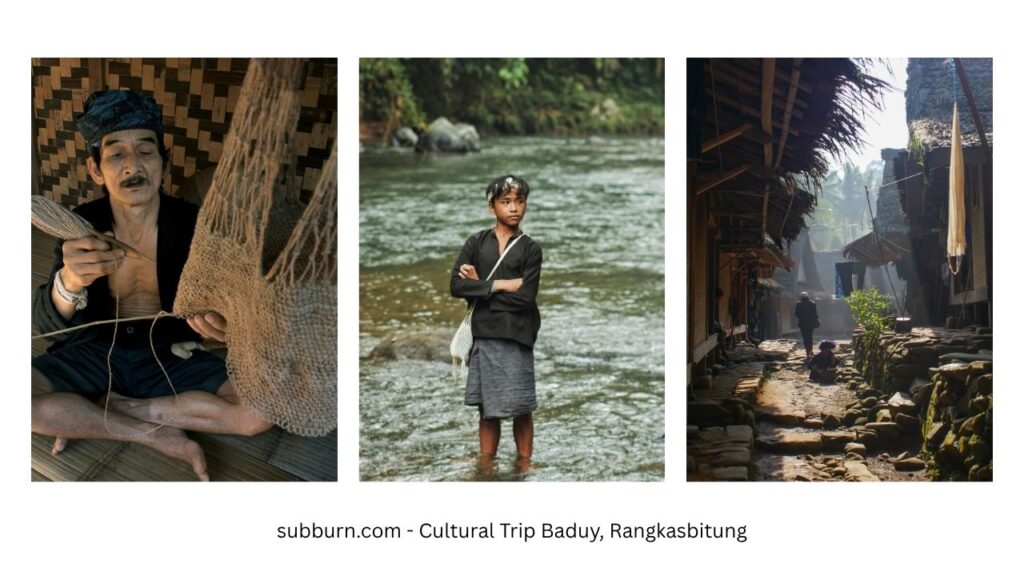
The journey starts in Ciboleger, where we recommend hiring a local guide. Along the way, you’ll enjoy the scenery and visit a traditional weaver before reaching Inner Baduy around 4:30 PM.
After dinner with a local family, you can chat with the residents, learn about their way of life, or simply enjoy the peaceful evening by lantern light.
Wake up early for a quiet morning walk around Cibeo before heading home around 6 AM bringing back not just memories, but a truly authentic Baduy cultural experience.
One thing to keep in mind: electronic devices are not allowed during your stay here.
Why Can’t People in the Baduy Use Cell Phones?
If you’re wondering how people in Baduy can use cell phones, the answer depends on which part of the community you visit.
The Baduy community is divided into two main areas: Baduy Luar (Outer Baduy) and Baduy Dalam (Inner Baduy). Each area follows different rules regarding modern technology.
In Baduy Luar, you may still see people using mobile phones. However, once you enter Baduy Dalam, the rules become much stricter.
The community chooses to limit modern technology to preserve its traditional lifestyle and maintain a close connection with nature.
This balance between tradition and modern life makes the Baduy experience especially interesting you can still see some modern influences in Baduy Luar, while Baduy Dalam offers a much deeper look into their traditional way of life.
And honestly, that’s what makes a trip to Baduy so special.
In a world where we’re constantly connected to social media, notifications, and our phones, visiting Baduy Dalam can feel like stepping away from the digital world for a while. No scrolling, no endless notifications, and no distractions just nature, traditional culture, and a slower way of life.
So, if you’re looking for a cultural trip where you can disconnect from the digital world and experience a completely different way of living, Baduy might be the perfect place to explore.
Sometimes, getting away from the online world is the best way to reconnect with the real one.
What Food Is Typical in Baduy?
One of the most interesting parts of visiting Baduy is sitting down for dinner together when night falls. Guests are usually served several traditional dishes prepared by the local community. Some of the highlights include:
Nasi Baduy: Rice made from locally grown upland rice, which has a slightly different texture and aroma compared to the rice you may be used to. Because it is traditionally cooked over a wood fire, the rice has a naturally smoky and fragrant aroma that makes it even more special.
Nasi Leumang: Rice that is cleaned, placed inside bamboo tubes lined with leaves, and then cooked over a traditional fire. What makes it even more interesting is that guests can sometimes help with the cooking process. It’s definitely a unique experience!
Pepes Ikan & Lalapan: Simple but delicious dishes served with warm rice. The fish is traditionally cooked without frying, while the lalapan consists of fresh local vegetables, including cassava leaves and other root vegetables from the Baduy area.
What makes the food even more special is the traditional cooking process. The Baduy people generally avoid using cooking oil, making their food simple, natural, and closely connected to their traditional way of life.
What Makes the Baduy Special, and Why?
The Baduy people choose not to follow the rapid changes of modern life. Instead, they continue to live close to nature and strongly preserve traditions that have been passed down from generation to generation.
Their everyday life is still very different from the modern world. Technology plays very little role in their daily routines, and they continue to follow traditional rules and customs that have been preserved for generations. Because of this, life in Baduy feels much simpler, slower, and more connected to nature.
If you’re feeling tired or overwhelmed by the fast-paced lifestyle of today’s digital world, a trip to Baduy can be a refreshing escape. It gives you the chance to step away from your phone, social media, and the constant pressure to keep up with the modern world even if just for a little while.
And maybe that’s what makes Baduy so special. You’re not just visiting a new destination; you’re experiencing a completely different way of life one that is simpler, closer to nature, and beautifully disconnected from the digital world.
If you’re looking for a place to slow down, clear your mind, and escape the digital noise, Baduy might be a destination worth adding to your list.
Can Foreigners Visit Baduy?
Yes, definitely! Foreigners can visit Baduy, as long as they are willing to respect the local culture, follow the rules, and behave appropriately during their visit.
But before you go, there are a few things you should keep in mind especially when it comes to food and the environment.
When it comes to food, the options are mostly local and traditionally prepared dishes. The way they cook and serve food may also be very different from what you’re used to, so it’s a good idea to come prepared and keep an open mind.
The environment is also part of the experience. You’ll be surrounded by nature and a much simpler way of living, with limited modern facilities and technology. If you want try another different type of trip look at this page.
What’s the Best Time to Visit Baduy?
The best time to visit Baduy is during the dry season, when the weather is more comfortable for trekking and exploring the area.
You should also avoid the Kawalu period, when Baduy is temporarily closed to tourists for around three months. During this sacred period, the Baduy community focuses on fasting, prayer, and spiritual activities. Weddings, celebrations, and other large gatherings are also restricted.
During Kawalu, tourist access to Baduy is closed, allowing the community to fully focus on their traditions and religious practices.
So, if you’re planning a trip to Baduy, make sure to check the Kawalu dates and local regulations before you go.
Final Thoughts
But honestly, that’s exactly what makes Baduy so interesting. You’re not visiting a place that has been heavily developed for tourism. You’re experiencing a community that has managed to maintain its identity, traditions, and way of life for generations.
So, if you’re a foreign or traveler looking for an authentic cultural experience, Cultural Trip Baduy can definitely be worth the journey. Just remember: you’re entering their home and their culture, so respect comes first.
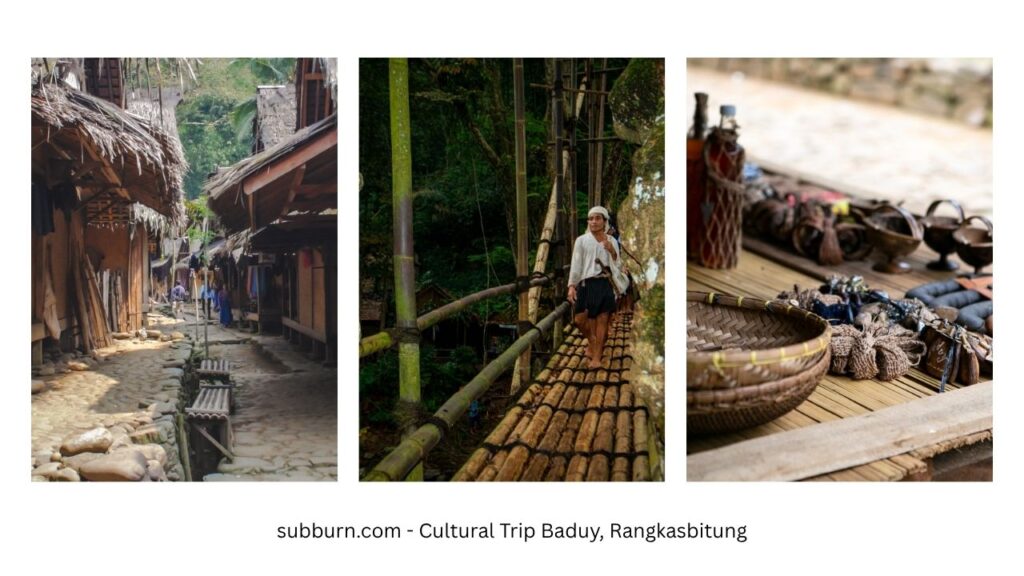
Baduy is an authentic traditional community where customs and traditions have been preserved for generations. So, don’t expect modern food, facilities, or the usual tourist experience and that’s exactly what makes it special. If you want to make all clear and no need to worry to visit Baduy, you can join open trip with Explore.id. You also can check authentic trip here



Leave a reply